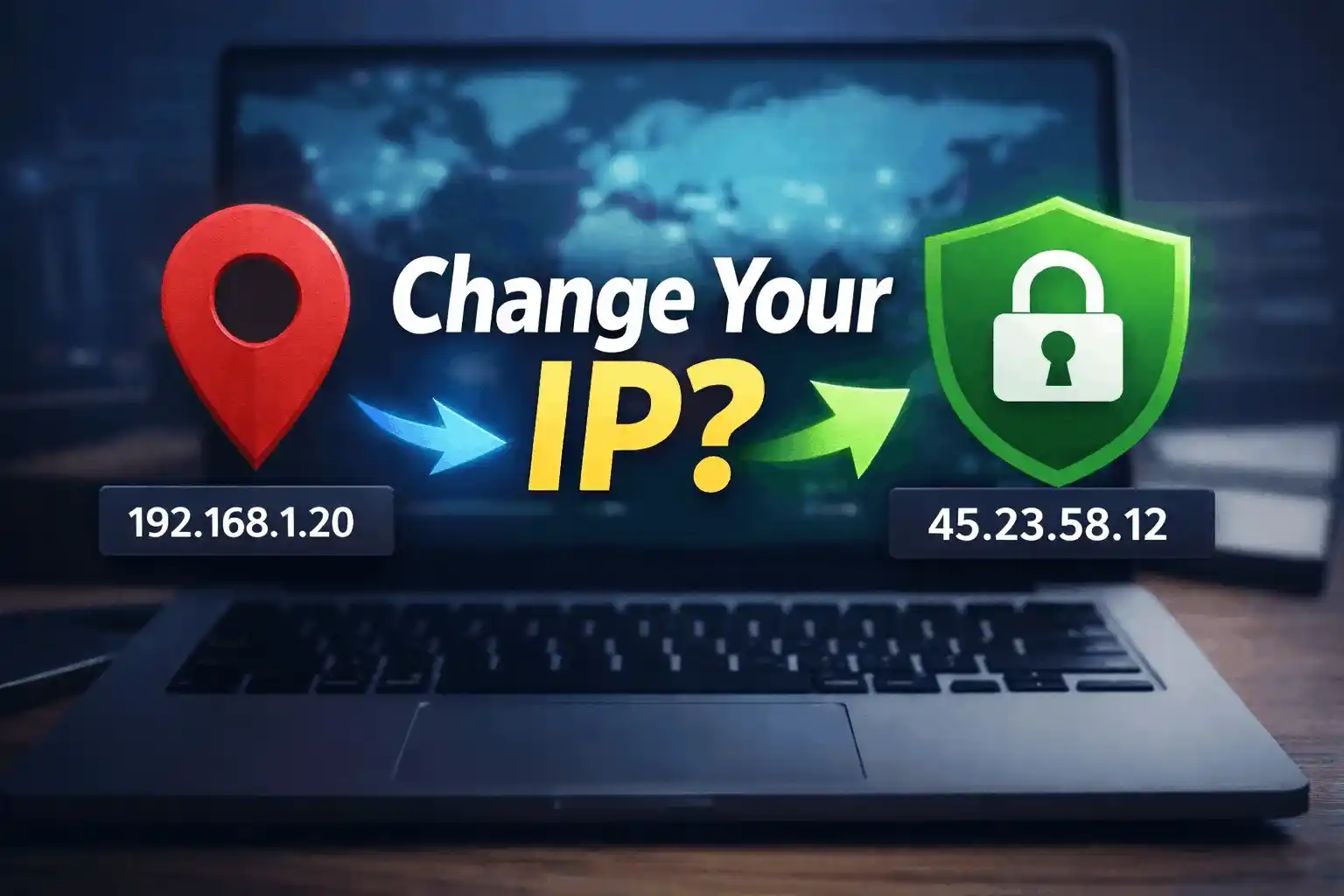
When you connect to the internet, your device is assigned an IP address that reveals information about your network and approximate location. This IP address plays a key role in how websites identify, track, and interact with you online. Because of this, many users ask an important question: Does a VPN change your IP address, and how can you tell if it’s actually working?
Understanding how VPNs handle IP addresses is essential for anyone concerned about privacy, security, or safe internet usage.
What Is an IP Address, and Why Does It Matter?
An IP (Internet Protocol) address is a unique numerical identifier assigned to your device when you connect to the internet. It allows websites, apps, and servers to know where to send data.
Your IP address can reveal:
- Your internet service provider
- Your country and city (approximate)
- Network activity patterns
Because IP addresses are tied to your connection, they are commonly used for tracking, profiling, geo-blocking, and monitoring online behavior.
Does a VPN Change Your IP Address?
Yes, a VPN does change your IP address.
When you connect to a VPN, your internet traffic is routed through a remote VPN server instead of directly through your ISP. As a result, websites and online services see the IP address of the VPN server rather than your real IP address.
This means:
- Your original IP address is hidden
- Your apparent location changes to the VPN server’s location
- Your browsing activity is harder to trace back to you
The IP address change happens automatically once the VPN connection is active.
How VPN IP Address Masking Works
A VPN acts as an intermediary between your device and the internet.
- You connect to a VPN server
- Your data is encrypted before leaving your device
- The VPN server sends requests to websites on your behalf
- Websites respond to the VPN server, not directly to you
Since the VPN server handles communication, your real IP address is never exposed to the destination website.
Does Your IP Change Every Time You Use a VPN?
In many cases, yes.
Most VPNs use shared IP addresses, meaning multiple users connect through the same server and IP. Some providers also rotate IPs periodically, which adds another layer of privacy.
However, whether your IP changes depends on:
- The VPN provider
- The server you choose
- Whether you reconnect or switch locations
If you connect to a different VPN server or country, your IP address will change accordingly.
How to Check Your IP Address (With and Without a VPN)
Checking your IP address is the easiest way to confirm whether your VPN is working correctly.
Step 1: Check Your IP Without a VPN
Before turning on the VPN, visit an IP-checking website. Note the IP address and location shown.
Step 2: Connect to the VPN
Turn on your VPN and connect to a server in a different location.
Step 3: Check Your IP Again
Refresh the IP-checking page. If the VPN is working properly, you should see:
- A different IP address
- A different location matching the VPN server
If the IP remains the same, the VPN connection may not be active or properly configured.
How to Confirm Your VPN Is Fully Working
Changing your IP address is a good sign, but it’s not the only factor.
To fully confirm your VPN is working:
- Make sure the VPN connection status shows “connected.”
- Check for DNS or IP leaks using online tools
- Verify that apps and browsers are routing traffic through the VPN
A properly functioning VPN should consistently show the VPN server’s IP instead of your original one.
Does a VPN Change Your IP for Torrenting and Streaming?
Yes, and this is one of the main reasons people use VPNs.
Torrenting
In peer-to-peer networks, your IP address is visible to other users. A VPN masks your IP, helping protect your identity and reducing exposure to monitoring or throttling.
Streaming and Geo-Restricted Content
Streaming platforms often restrict content based on location. A VPN changes your visible IP location, which can allow access to region-specific content—although some platforms actively block VPN traffic.
Situations Where Your Real IP Might Still Be Visible
While VPNs are effective, there are scenarios where IP exposure can occur:
- VPN disconnects unexpectedly
- DNS or WebRTC leaks
- Apps bypassing the VPN tunnel
- Misconfigured VPN settings
Using a reliable VPN and enabling built-in leak protection features reduces these risks significantly.
Why Changing Your IP Address Matters
Changing your IP address with a VPN helps:
- Protect online privacy
- Reduce tracking by websites and advertisers
- Secure connections on public Wi-Fi
- Avoid location-based restrictions
- Enhance safe internet usage
It’s a foundational feature of VPN technology and one of the primary reasons VPNs are widely used.
Final Thoughts
So, does a VPN change your IP address?
Yes—this is one of its core functions. A VPN replaces your real IP address with one from its server, helping conceal your identity, protect your privacy, and secure your online activity.
By learning how to check your IP address and confirm that your VPN is working properly, you gain better control over your digital footprint and online safety.