As internet usage becomes deeply embedded in daily life, concerns around privacy, security, and unrestricted access continue to grow. Every time you browse a website, stream content, or download files, your data travels across networks that can be monitored, logged, or intercepted. A Virtual Private Network, commonly known as a VPN, is designed to address these concerns by protecting your internet connection and keeping your online activity private. Understanding what a VPN is, how it works, and why people rely on it can help you make informed decisions about your digital safety.
What Is a VPN?
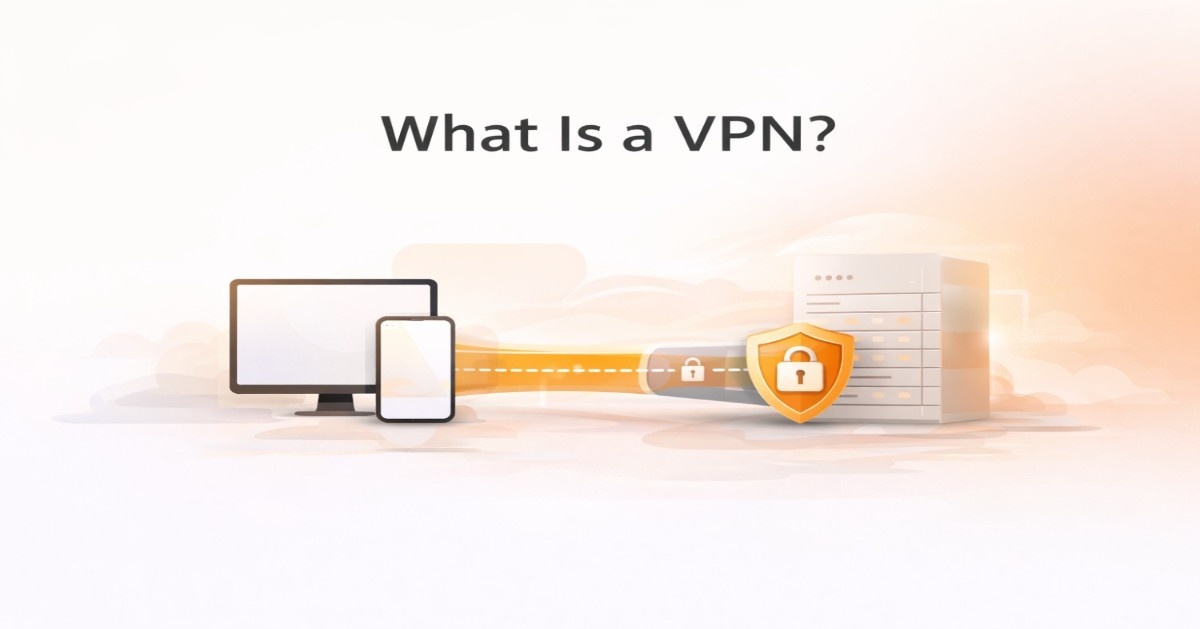
A VPN is a technology that creates a secure and private connection between your device and the internet. Instead of sending your data directly through your internet service provider (ISP), a VPN routes it through an encrypted tunnel to a remote server operated by the VPN service. This process hides your real IP address and replaces it with the IP address of the VPN server.
By masking your identity and encrypting your traffic, a VPN prevents third parties from easily tracking your online behavior, location, or browsing habits. This makes VPNs an essential tool for users who value privacy, anonymity, and internet freedom.
How Does a VPN Work?
When you connect to a VPN, your device establishes a secure connection with a VPN server. All internet traffic passing through this connection is encrypted before it leaves your device. Encryption converts readable data into coded information that cannot be understood without the correct decryption key.
Once encrypted, your data travels through the VPN server, which acts as an intermediary between you and the websites or services you access. Since the VPN server communicates on your behalf, websites only see the server’s IP address—not your actual one. This process ensures that your real location and identity remain hidden while your data stays protected during transit.
What Does a VPN Actually Do?
A VPN performs several important functions that improve both security and usability online.
Encrypts Internet Traffic
VPN encryption protects sensitive data such as passwords, personal messages, banking details, and login credentials. This is especially important when using public Wi-Fi networks, which are often unsecured and vulnerable to cyberattacks.
Hides Your IP Address
Your IP address reveals information about your location and internet provider. A VPN conceals this information by assigning you a different IP address, reducing the risk of tracking, profiling, or targeted attacks.
Secures Torrenting and P2P Activity
Torrenting exposes your IP address to other users in peer-to-peer networks. A VPN masks your IP and encrypts P2P traffic, making torrent downloads safer and more private while helping users avoid ISP throttling or monitoring.
Bypasses Geo-Restrictions
Many websites and streaming platforms restrict access based on geographic location. By connecting to servers in different countries, a VPN allows users to access content that may otherwise be unavailable in their region.
Why People Use VPNs
People use VPNs for a wide range of reasons, from personal privacy to professional security.
Protecting Online Privacy
ISPs, advertisers, and websites can track browsing behavior and collect user data. A VPN limits this tracking by encrypting traffic and hiding identifying information.
Improving Online Security
VPNs add a layer of protection against cyber threats such as man-in-the-middle attacks, data interception, and network surveillance.
Safe Torrenting and File Sharing
VPNs are widely used by torrent users to protect their identity and prevent exposure while downloading or sharing files through P2P networks.
Avoiding Bandwidth Throttling
Some ISPs slow down connections based on usage patterns, especially during streaming or torrenting. VPN encryption prevents ISPs from seeing specific activities, reducing the chances of throttling.
Accessing the Internet While Traveling
When traveling abroad, VPNs help users securely access home services, bypass local restrictions, and protect data on unfamiliar networks.
Are VPNs Legal and Safe to Use?
In most countries, using a VPN is legal and widely accepted. VPNs are legitimate tools designed to enhance privacy and security, not to promote illegal activity. However, laws may vary by region, and users should always comply with local regulations.
Safety depends largely on choosing a reliable VPN that uses strong encryption, secure protocols, and transparent privacy policies. A well-configured VPN significantly improves online safety when used responsibly.
Limitations of VPNs
While VPNs offer strong protection, they are not a complete security solution. They do not prevent malware infections, phishing attacks, or unsafe browsing habits. VPNs work best when combined with good cybersecurity practices, such as using antivirus software, strong passwords, and secure websites.
Final Thoughts
A VPN is a powerful tool for protecting online privacy, securing internet connections, and enabling safer torrenting and unrestricted access to content. By encrypting data, hiding IP addresses, and shielding users from tracking, VPNs provide greater control over how people experience the internet. Understanding how VPNs work and what they do allows users to make smarter decisions about their digital safety in an increasingly connected world.